
Industrial Sensors: The Intelligence Behind Every Automated Process
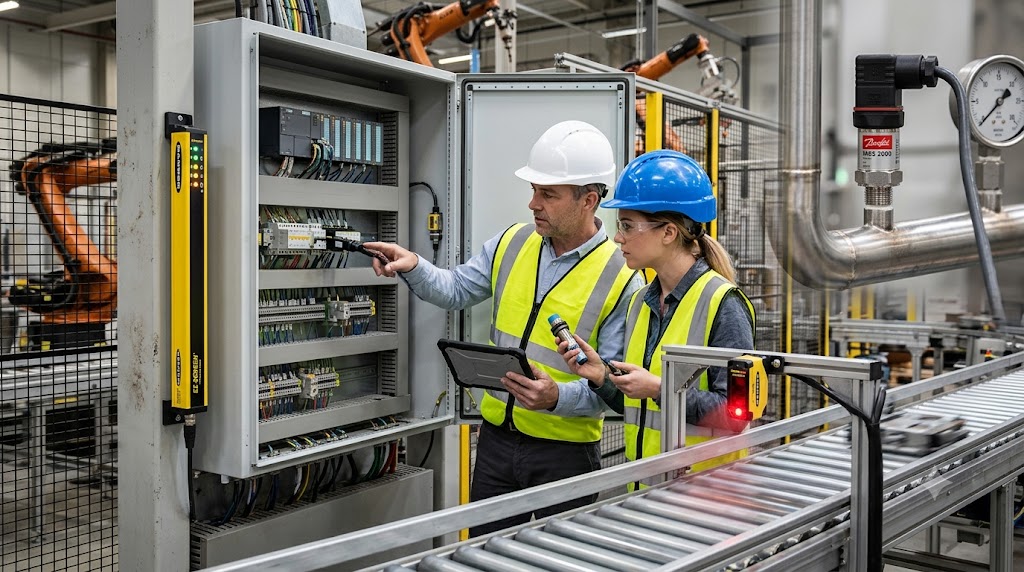
Discover the Complete Range of Industrial Sensors with Techno-park Inc. and TPIPro+
In modern manufacturing, precision, consistency and process control are essential. Whether it is a high-speed packaging line, an automotive assembly unit, a pharmaceutical production facility or a material-handling system, every automated process depends on accurate information from the production floor.
This is where industrial sensors play a vital role.
Industrial sensors act as the eyes and ears of an automated system. They detect objects, monitor operating conditions, measure distances, identify materials and provide essential feedback to control systems. By converting physical conditions into electrical signals, sensors help machines and automation systems respond to changing conditions with accuracy and consistency.
At Techno-park Inc., we understand that selecting the right sensor is an important part of building an effective automation solution. Through our industrial automation expertise and our B2B platform, TPIPro+, we bring together a comprehensive range of industrial sensing solutions to support different applications and operational requirements.
Whether you are upgrading an existing production line, developing a new machine or sourcing replacement components, explore the industrial sensor range available through TPIPro+.
Why Are Industrial Sensors Essential in Modern Manufacturing?
Industrial automation is not just about operating machines automatically. It is about making processes more consistent, responsive and controllable.
Sensors help achieve this by providing real-time information about what is happening on the production floor.
Some of their important applications include:
- Object Detection: Identifying the presence or absence of products, components and materials on production lines.
- Position Monitoring: Detecting the position of machine parts, moving components and pneumatic cylinders.
- Distance Measurement: Monitoring object distance, height, level and positioning without physical contact.
- Quality Inspection: Identifying differences in colour, contrast and product characteristics.
- Process Monitoring: Measuring operating conditions such as temperature, pressure and electrical current.
- Machine Safety: Supporting safety systems designed to detect hazardous conditions and protect operators.
Choosing the appropriate sensor depends on the material being detected, sensing distance, installation space, environmental conditions, response time and the required output.
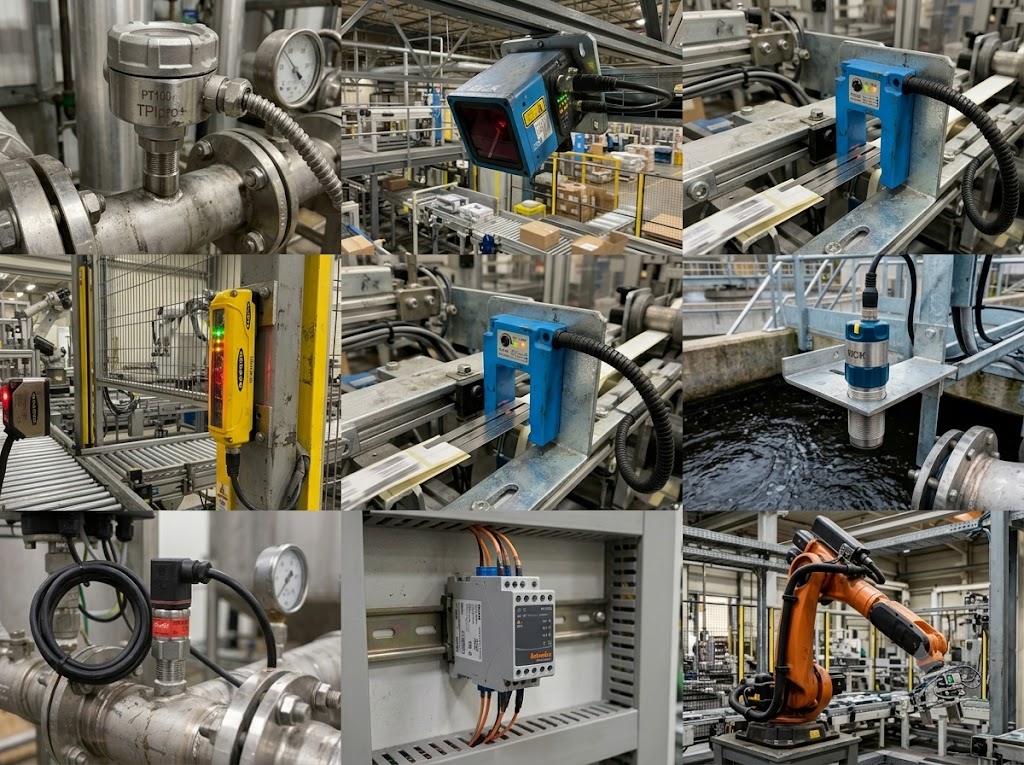
Explore the Complete Range of Industrial Sensors
Different industrial applications require different sensing technologies. A sensor suitable for detecting metal components may not be appropriate for detecting transparent packaging or measuring the distance of a non-metallic object.
TPIPro+ offers access to a diverse range of industrial sensor categories to address these requirements.
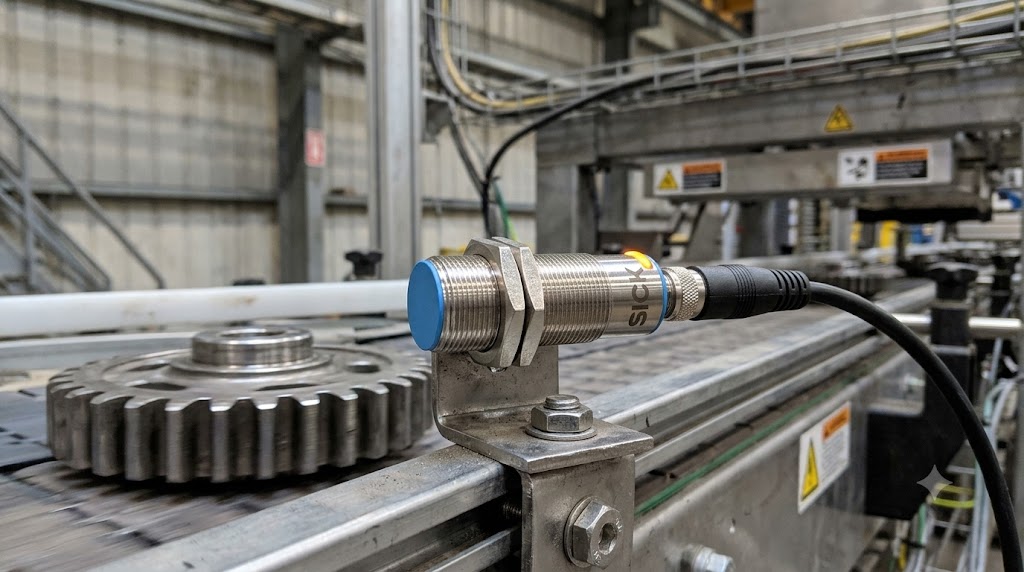
Inductive Sensors – Reliable Metal Object Detection
Inductive sensors are commonly used for detecting metallic objects without physical contact. They generate an electromagnetic field and detect changes caused by the presence of metal.
Typical applications:
- Detecting metal components on conveyor systems.
- Position monitoring in automated machinery.
- Counting metallic parts during production.
- Detecting machine movement and mechanical positioning.
Explore: Inductive Sensors on TPIPro+
Capacitive Sensors – Detecting More Than Just Metal
Unlike inductive sensors, capacitive sensors can detect a wider variety of materials, including plastics, liquids, powders and certain non-metallic objects, depending on the sensor and application.
Typical applications:
- Detecting liquid or material levels in containers.
- Monitoring plastic components.
- Detecting powders and granular materials.
- Monitoring the presence of non-metallic products.
Explore: Capacitive Sensors on TPIPro+
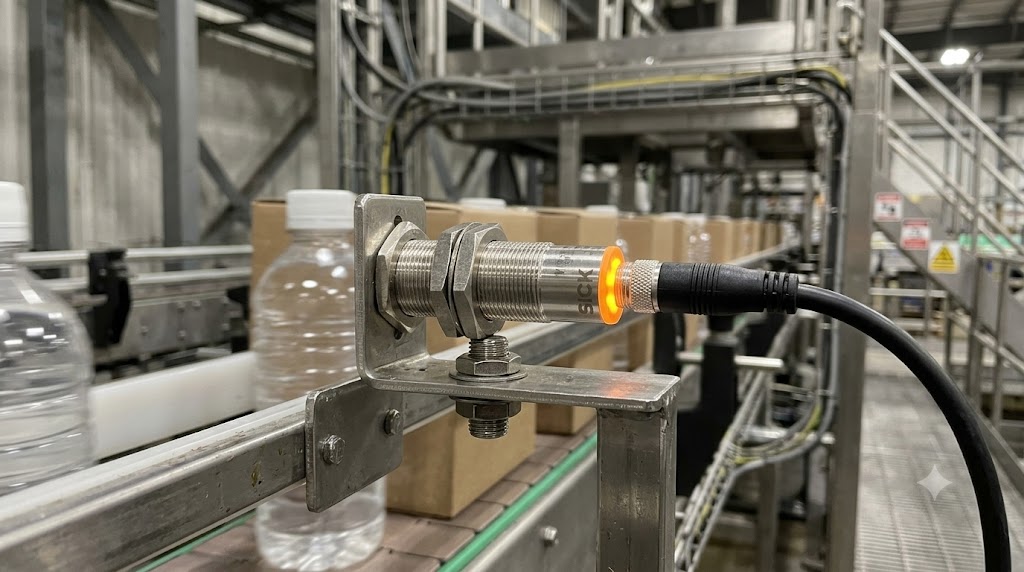
Photoelectric Sensors – Optical Detection for Automation
Photoelectric sensors use light to detect the presence, absence or position of objects. They are widely used in automated production and material-handling systems.
Depending on their design, they can operate using through-beam, retro-reflective or diffuse sensing arrangements.
Typical applications:
- Detecting products moving on conveyor belts.
- Counting packages and manufactured components.
- Monitoring object presence at assembly stations.
- Detecting products during automated packaging.
Explore: Photoelectric Sensors on TPIPro+
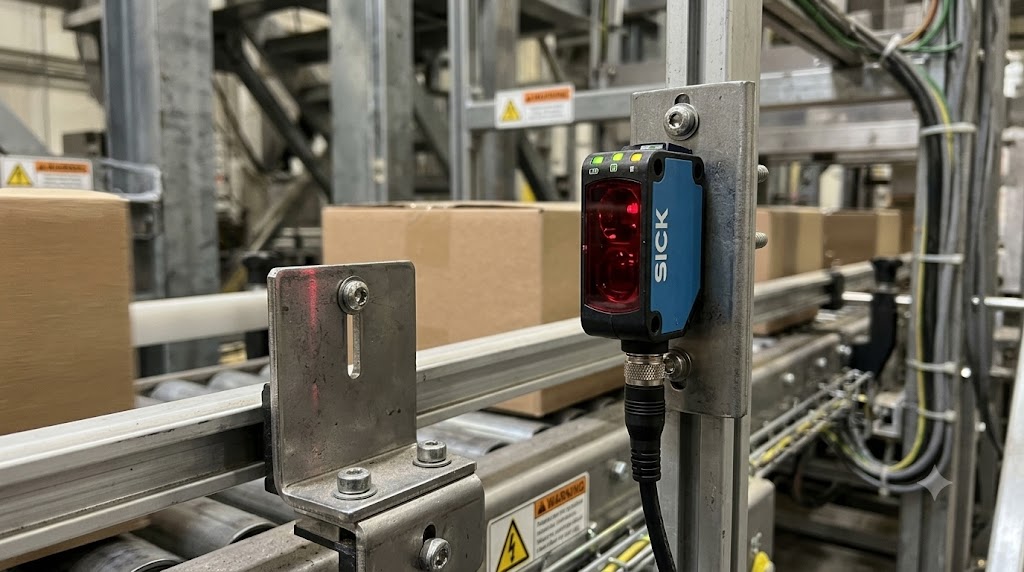
Ultrasonic Sensors – Non-Contact Distance and Object Detection
Ultrasonic sensors use high-frequency sound waves to detect objects and measure distances. They can be useful in applications where optical detection may be affected by the object's colour or surface characteristics.
Typical applications:
- Distance measurement in automated machinery.
- Monitoring material levels in tanks.
- Detecting objects on conveyor systems.
- Monitoring the position of objects during production.
Explore: Ultrasonic Sensors on TPIPro+
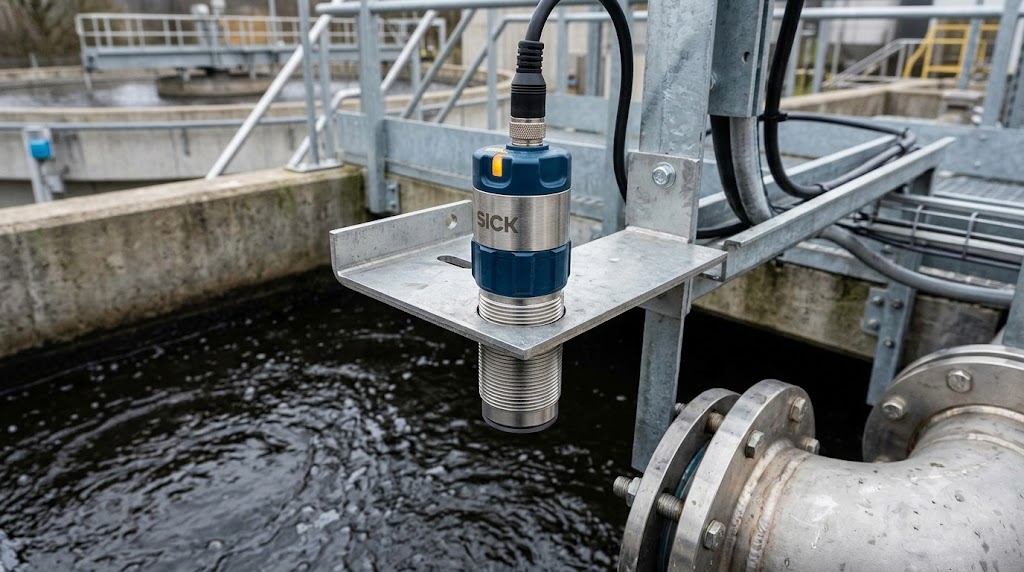
Laser Distance Sensors – Precision Distance Measurement
Laser distance sensors are designed to measure the distance between a sensor and a target using laser-based measurement technology. Depending on the model, they can support precise positioning and measurement tasks.
Typical applications:
- Position measurement in automated machinery.
- Monitoring product dimensions or height.
- Distance measurement in material-handling systems.
- Positioning applications in robotic equipment.
Explore: Laser Distance Sensors on TPIPro+
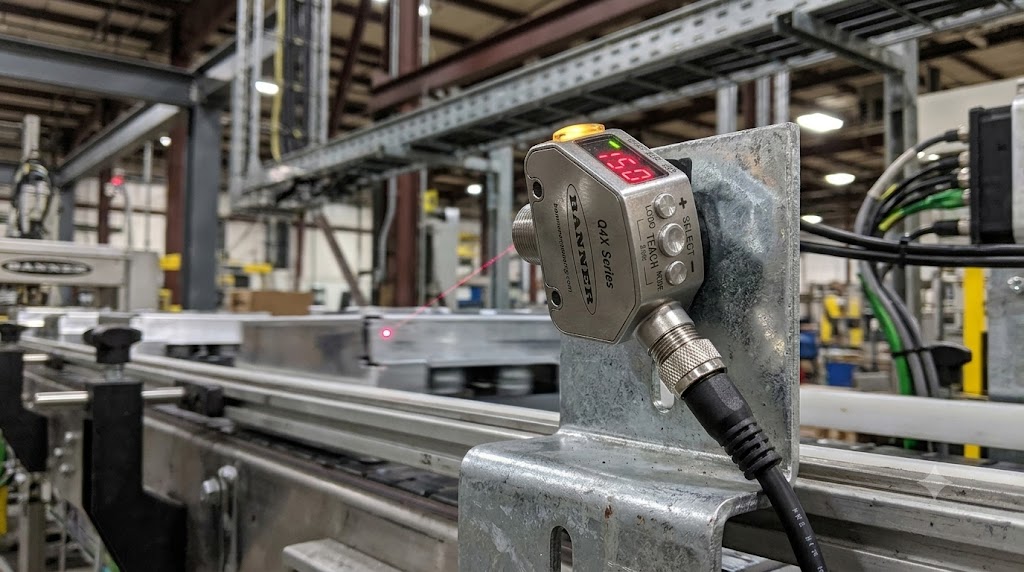
Colour Sensors – Identifying Objects by Colour
Colour sensors identify specific colours or colour differences on an object's surface. They are useful in manufacturing processes where products need to be identified or sorted based on colour.
Typical applications:
- Colour-based product sorting.
- Identifying different product variants.
- Checking colour consistency in manufacturing.
- Detecting coloured markings on components.
Explore: Colour Sensors on TPIPro+
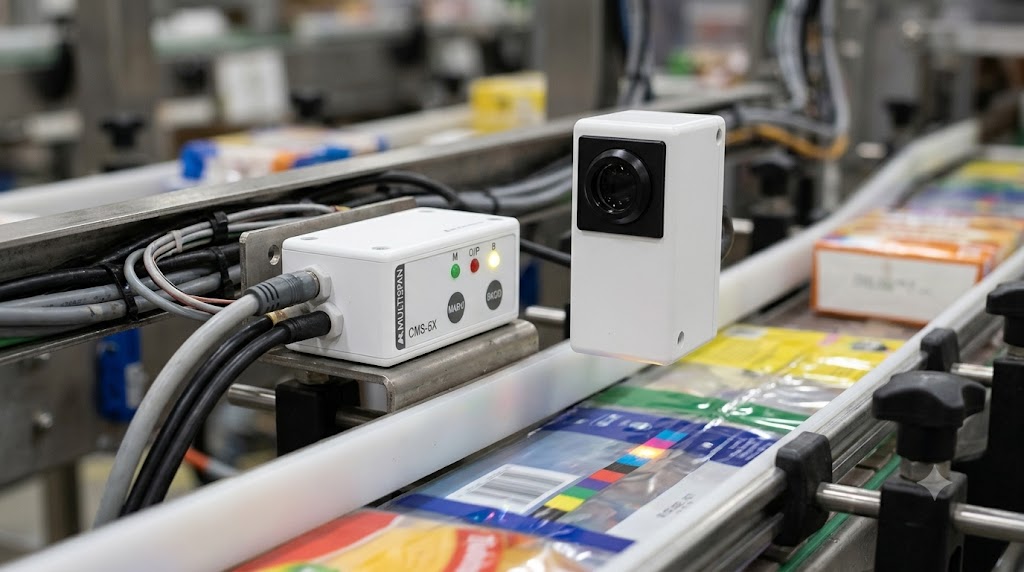
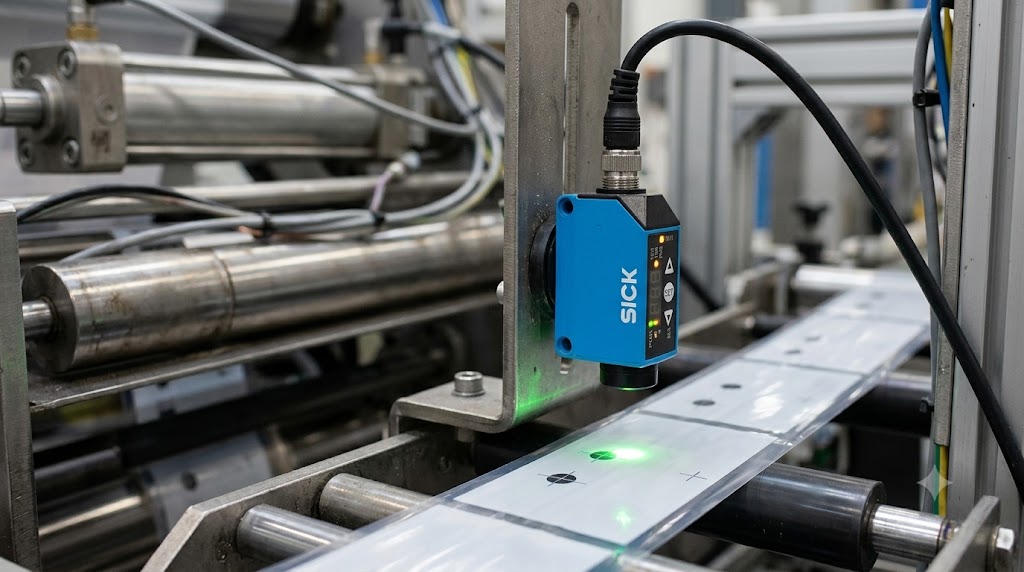
Contrast Sensors – Detecting Markings and Differences
Contrast sensors detect differences in brightness or contrast between surfaces. They are particularly useful in packaging and printing applications where detecting registration marks is important.
Typical applications:
- Detecting registration marks on packaging films.
- Identifying printed markings.
- Monitoring label positioning.
- Supporting automated packaging operations.
Explore: Contrast Sensors on TPIPro+
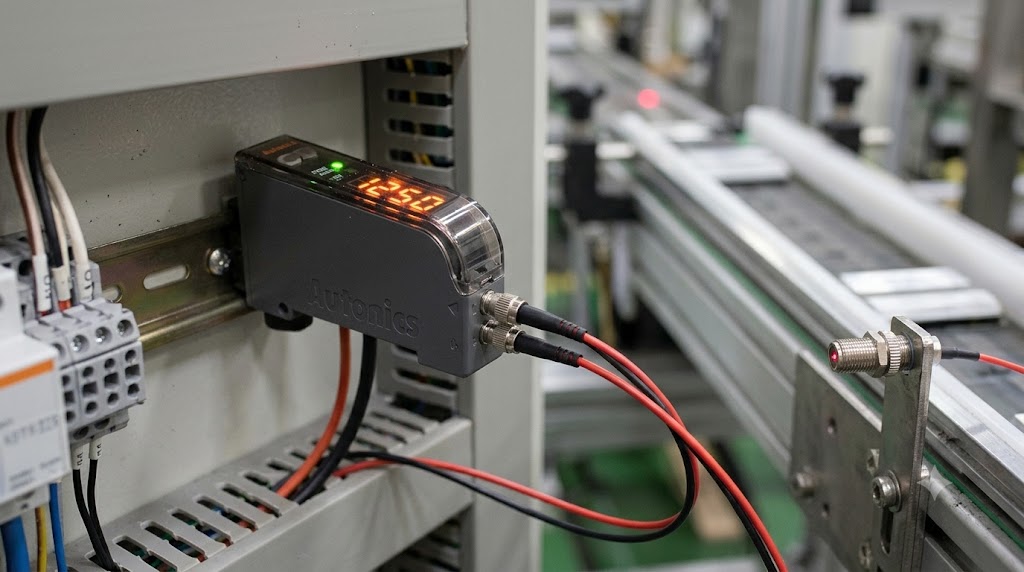
Fiber Optic and Fiber Sensors – Detection in Compact Spaces
Fiber-optic sensing arrangements use optical fibers to transmit light between the sensing point and the sensor amplifier. They can be particularly useful where installation space is limited or where the sensing point is difficult to access.
Typical applications:
- Detecting small components.
- Monitoring objects in compact machinery.
- Detection in confined installation spaces.
- Supporting precision assembly operations.
Explore:
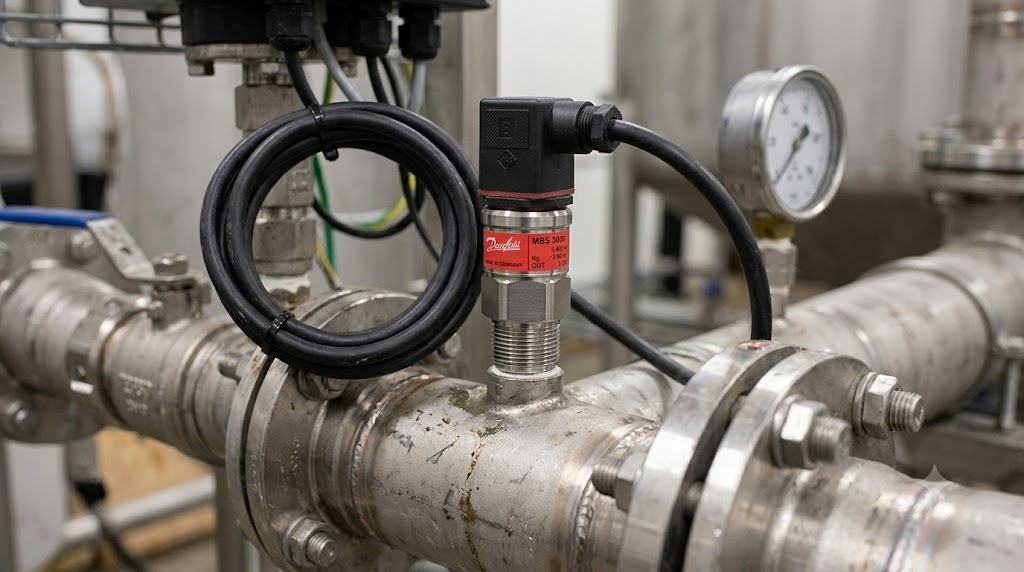
Pressure Sensors – Monitoring Industrial Pressure
Pressure sensors measure pressure in gases or liquids and provide signals that can be used by monitoring and control systems.
Typical applications:
- Monitoring pneumatic system pressure.
- Measuring pressure in hydraulic applications.
- Monitoring industrial process lines.
- Supporting pressure-based machine control.
Explore: Pressure Sensors on TPIPro+
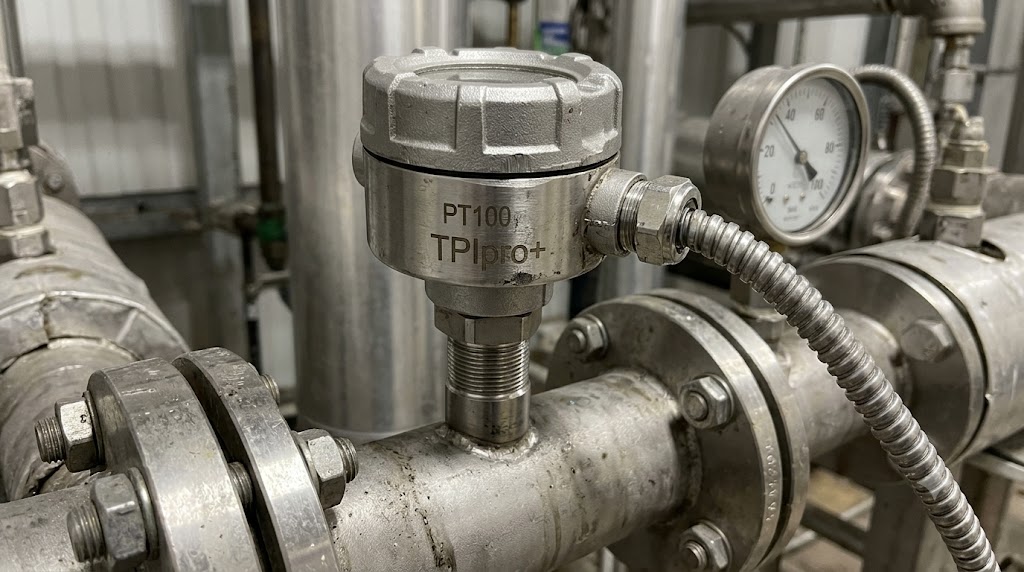
Temperature Sensors – Monitoring Thermal Conditions
Temperature sensors are essential in industrial applications where maintaining and monitoring temperature is important for process consistency and product quality.
Depending on the application, temperature sensing solutions may include RTDs, thermocouples and other sensing technologies.
Typical applications:
- Monitoring industrial heating systems.
- Temperature measurement in processing equipment.
- Monitoring ovens and furnaces.
- Supporting temperature control applications.
Explore:
Current Sensors – Monitoring Electrical Current
Current sensors help measure or detect electrical current in equipment and electrical systems. They are useful for applications requiring electrical monitoring and feedback.
Typical applications:
- Monitoring electrical current in machinery.
- Monitoring motor-related electrical parameters.
- Supporting equipment monitoring systems.
- Electrical measurement and control applications.
Explore: Current Sensors on TPIPro+
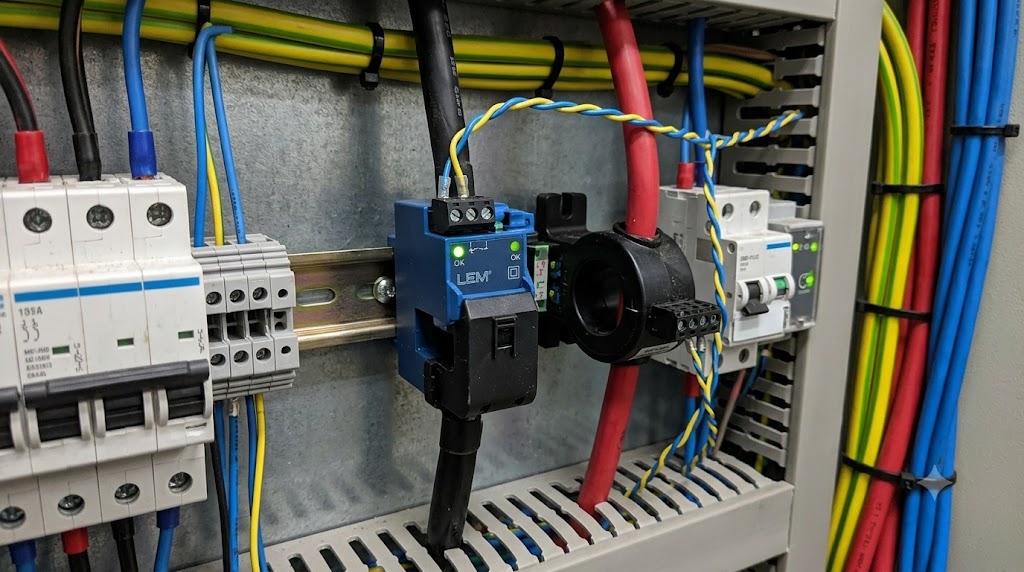
Magnetic Cylinder Sensors – Pneumatic Position Detection
Magnetic cylinder sensors detect the magnetic field generated by the magnet incorporated into a pneumatic cylinder's piston. They are commonly used to identify piston positions without mechanical contact.
Typical applications:
- Detecting pneumatic cylinder extension and retraction.
- Monitoring actuator positions.
- Controlling automated clamping mechanisms.
- Providing position feedback to PLC systems.
Explore: Magnetic Cylinder Sensors on TPIPro+
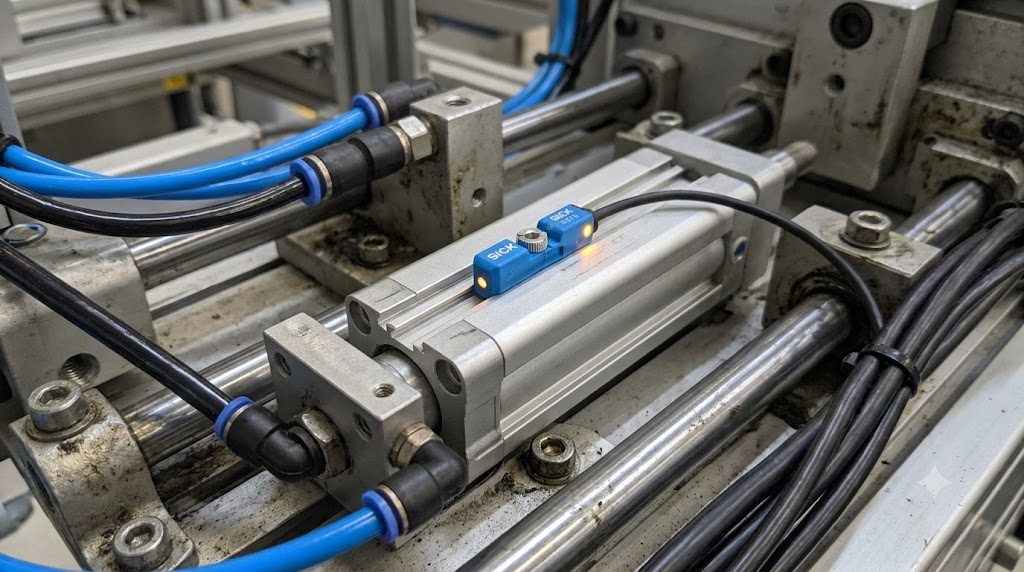
Safety Sensors – Supporting Machine Safety
Safety sensors are used in machine safety systems to detect the presence of people or objects in designated hazardous areas. Their application depends on the selected safety device and the machine's safety architecture.
Typical applications:
- Monitoring access to hazardous machine areas.
- Protecting designated operator access points.
- Supporting automated machine guarding.
- Integrating with industrial safety systems.
Explore: Safety Sensors on TPIPro+
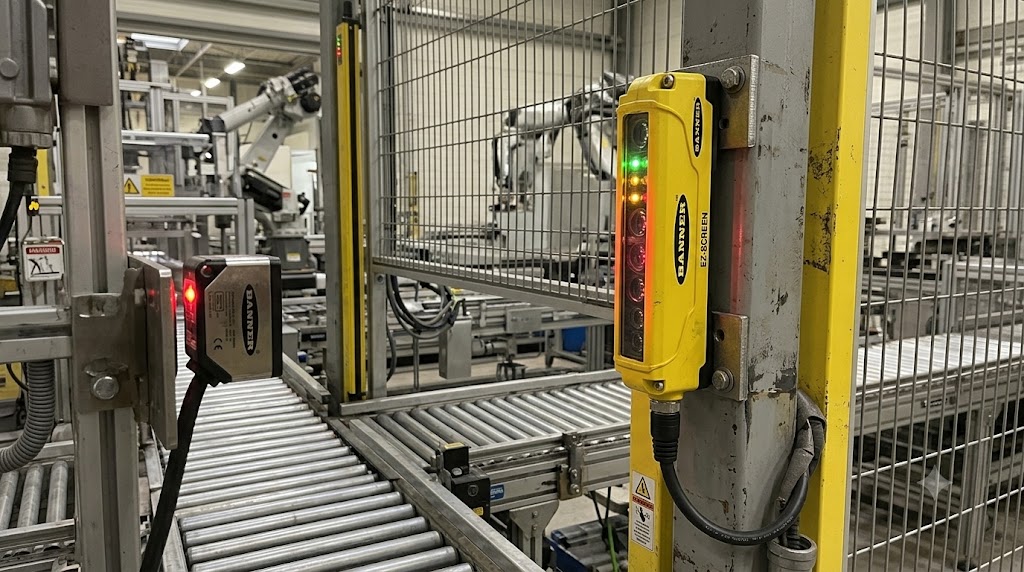
Slot Sensors – Detection Through a Defined Sensing Gap
Slot sensors are designed with a defined sensing gap through which an object or feature passes to interrupt or modify the sensing beam.
Typical applications:
- Detecting small components.
- Monitoring the movement of thin objects.
- Counting components passing through a sensing gap.
- Position detection in compact equipment.
Explore: Slot Sensors on TPIPro+
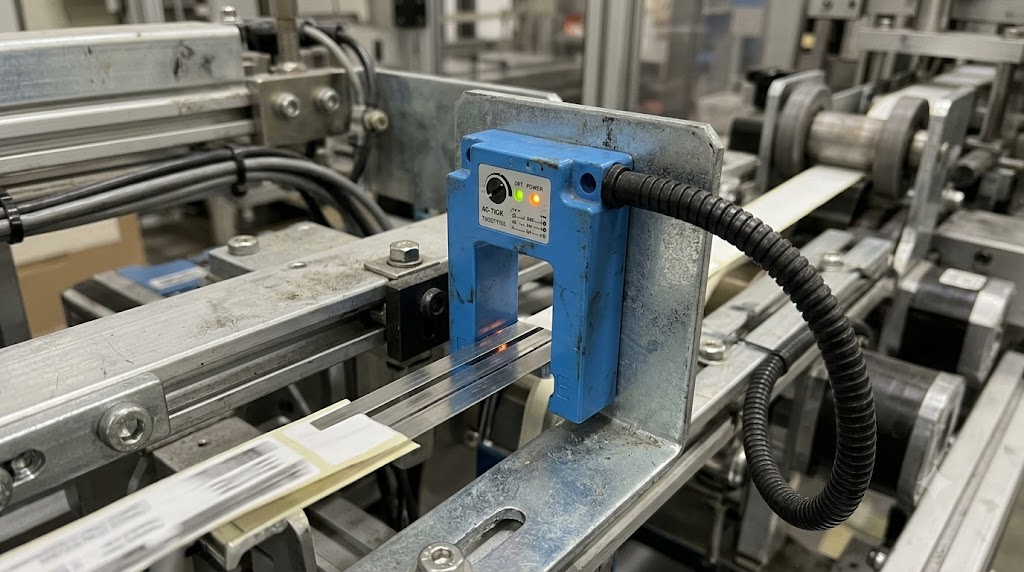
Time-of-Flight Sensors – Distance Measurement Using Light
Time-of-Flight (ToF) sensors determine distance by measuring the time taken by emitted light to travel to an object and return. They can support non-contact distance measurement and object positioning.
Typical applications:
- Distance measurement in automated systems.
- Object positioning and detection.
- Monitoring material-handling operations.
- Supporting applications requiring distance feedback.
Explore: Time-of-Flight Sensors on TPIPro+
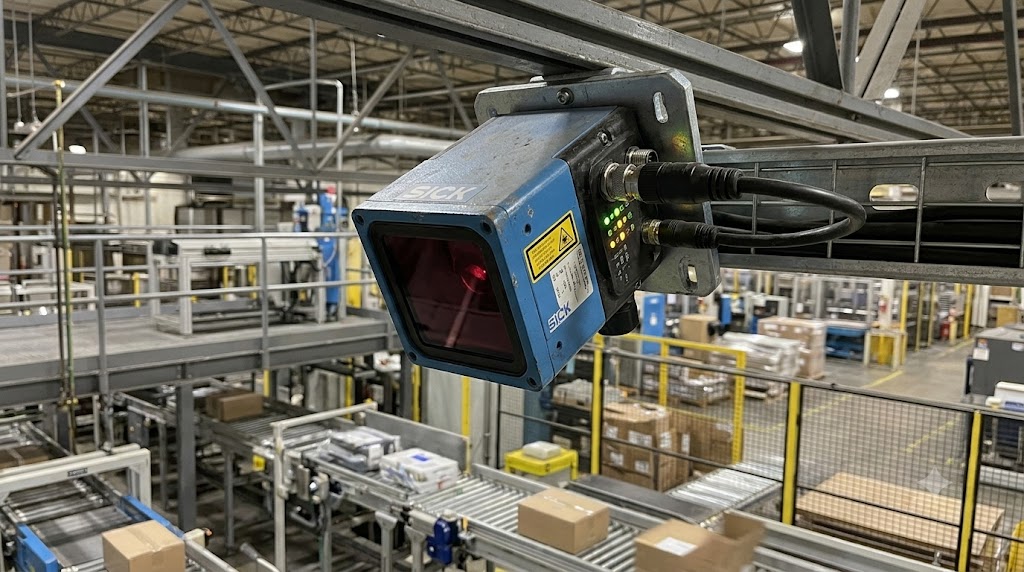
More Than Individual Sensors: Build a Complete Automation Sensing Package
Selecting a sensor is only one part of an industrial automation requirement. In many applications, multiple sensing devices, accessories and control components must work together to achieve the desired result.
This is why Techno-park Inc. focuses on understanding the complete application rather than treating every component as an isolated purchase.
Consider a practical example:
Application: Automated Conveyor-Based Product Detection
A manufacturing facility wants to automate the detection and movement of products on a conveyor system.
A suitable automation package could include:
Detection Sensor
An inductive, photoelectric or ultrasonic sensor, depending on the product material and detection requirements.
Sensor Connection Cables
Compatible M8 or M12 connector cables, where required, to establish the connection between the sensor and the control system.
PLC (Programmable Logic Controller)
Receives sensor signals and executes the programmed machine-control logic.
HMI (Human Machine Interface)
Provides operators with a visual interface to monitor the machine and interact with the control system.
Control and Switching Components
Appropriate relays, interface modules and other panel components, depending on the electrical design.
Automation Panel
A properly designed control panel to house and connect the required automation components.
The final selection depends on the application, electrical compatibility, sensor output, PLC input requirements and machine design.
By considering these components together, businesses can approach their automation requirements as a coordinated solution instead of sourcing individual products without considering system compatibility.
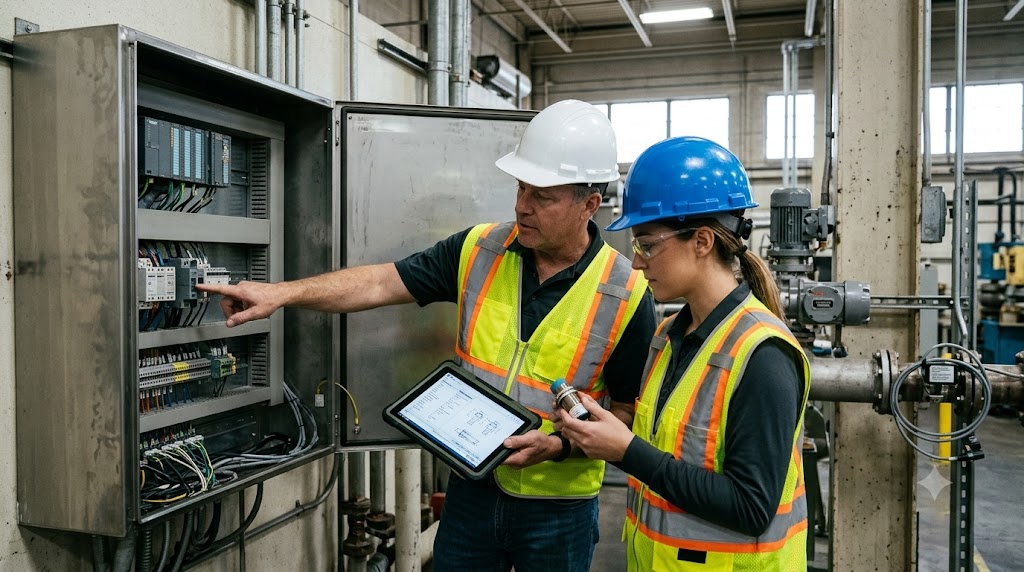
What Should You Consider Before Selecting an Industrial Sensor?
Choosing the right sensor requires more than knowing what type of object needs to be detected. A few important technical factors should be evaluated before making a purchase.
Material Being Detected
Is the target metallic, non-metallic, transparent, liquid, powder or another material? Different sensing technologies are designed for different targets.
Sensing Distance
Determine how far the sensor needs to detect or measure the target. The required sensing range should be compatible with the selected model.
Operating Environment
Consider exposure to dust, moisture, oil, vibration, temperature variations and other environmental conditions.
Output Type and Supply Voltage
Check whether the sensor's electrical output, such as PNP, NPN, analogue or another signal type, is compatible with the receiving control system.
Response Time and Switching Frequency
For high-speed production lines, the sensor must be capable of responding at the required operating speed.
Mounting and Installation Space
Consider the available installation space, mounting arrangement, sensing direction and connection requirements.
A properly selected sensor can help improve the consistency of detection and support smoother machine operation.
Why Source Industrial Sensors from Techno-park Inc. and TPIPro+?
Finding the right industrial component involves more than comparing product names and prices. Engineers and procurement professionals also need product information, compatibility guidance and dependable technical assistance.
Techno-park Inc. combines industrial automation experience with its dedicated B2B procurement platform, TPIPro+.
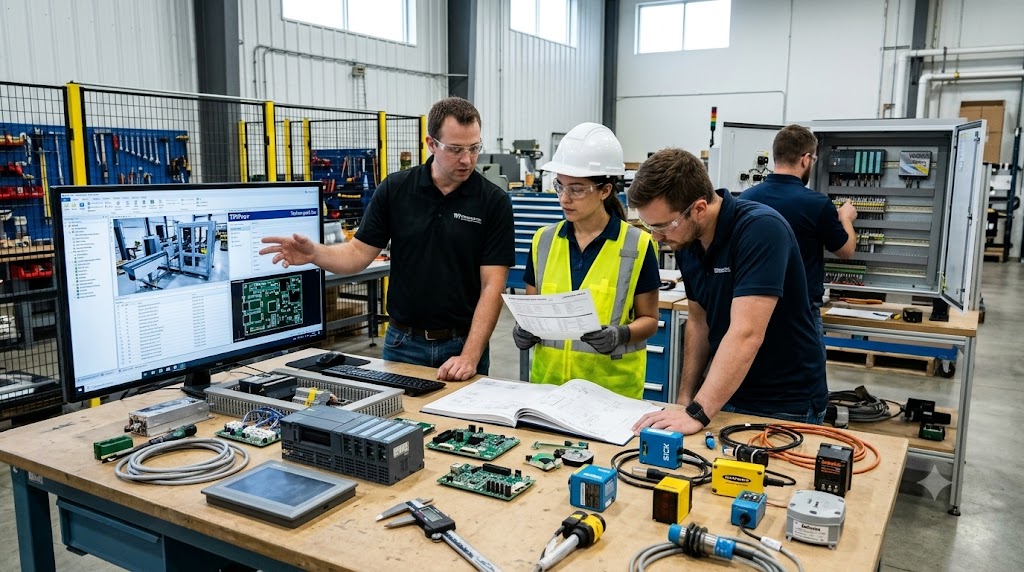
Here is how the two work together:
A Broad Sensor Selection
Explore different sensor technologies and categories through the TPIPro+ industrial product catalogue.
Multiple Product and Brand Options
Find listed products from brands including SICK, Autonics, Banner Engineering and other manufacturers represented in the platform's sensor catalogue.
Technical Assistance
Get support with product specifications, part-number cross-referencing and compatibility checks.
Industrial Automation Expertise
Beyond component sourcing, Techno-park Inc. offers engineering services including automation panel design and development, machine design and development, PLC & HMI programming, on-site and remote support, obsolete product sourcing and custom PCB development.
Convenient B2B Procurement
Use TPIPro+ to explore products, check availability and connect with the team for your industrial requirements.
One Partner for Your Industrial Sensing Requirements
Industrial sensors are fundamental building blocks of modern automation. From simple object detection to advanced distance measurement and machine safety applications, selecting the right sensing technology can make a meaningful difference to how an automated process operates.
Whether you need an individual replacement sensor, multiple sensing devices for a production line or a coordinated set of components for a new automation project, Techno-park Inc. is ready to assist.
Explore the complete sensor catalogue on TPIPro+ and find the products suited to your application.
Explore: Industrial Sensors
Visit: Techno-park Inc.
Explore: TPIPro+
Talk to Our Team
Phone: +91 9897802876
Email: sales@technoparkinc.com
Techno-park Inc. – Engineering Automation Excellence.
Need Custom Engineering for Your Facility?
Whether you are looking to retrofit legacy control cabinets, design high-precision heating systems, or source critical automation components, our engineering team is ready to help.